|

Olamef USA, Inc.


HOME
ABOUT US
PRODUCTS INDEX
DEPANELERS
AXIAL MACHINES
RADIAL MACHINES
TRANSISTORS
IC's
ACCESSORIES
ECONOMY LINE
TAPED PARTS FEEDERS
& SPECIAL MACHINES
HAND TOOLS
COUNTERS
PIN HEADER CUTTER
FASTOR CUT MACHINE
FLAT CABLE SEPARATOR
PARTS LISTS
CATALOGS
DOCUMENTS & FORMS
NEWS
CLEARANCE
CONTACT US
SE HABLA ESPAÑOL
USA Toll Free
1-877- O L A M E F 6
+1 760
930 9206
E-mail us


|
|
Index
|
Accessories
|
Economy Machines
|
Counters
|
PCB Depanelers
|
Terminal
Machine
|
Pin Machine
|
Hand Tools
|
BGA Reballer
|
Feeders
& Special Machines
|
Flat Cable Separator
|
Parts Lists
Taped Component Feeders & Special Machines
Designed and Manufactured
for Special
Applications and for Integration
 
 
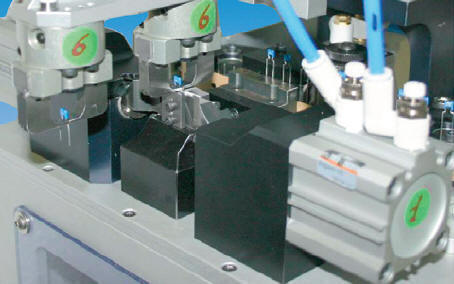
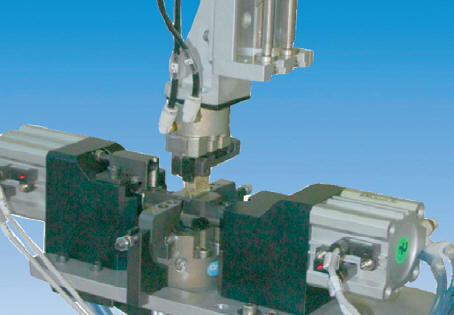
If you have a special application you need our help with, please
contact us
 SP Line
machines
PDF
Information
SP Line
machines
PDF
Information

SP Line of Special Machines
Custom Pneumatic Component Feeders for Taped
Parts
MACHINES DESIGNED AND MANUFACTURED TO INTEGRATE
TO CUSTOMER’S
SPECIFIC INSTRUMENTATION
|
Olamef’s knowledge and experience manufacturing forming machines
are applied when designing this new line of equipment. This new
line helps to eliminate manually forming and inserting through
hole components thus
reducing labor costs and down
time.
Components are processed without nicking or cracking the leads.
The SP machines cut, bend and form components placing them in a
position where
they can be picked up by an automatic system to complete an
assembly cycle or
dropping them into a bin or presenting them to an operator.
Weight, dimension and volume of feeders vary on each individual
unit and depend
greatly on the customer’s requirements.
The
same SP machines can be provided fully automatic and self
standing (/A versions)
|
Following are some examples of SP Machines:
AXIAL COMPONENTS
|
 |
SP22
Taped Axial Components Feeder
Special pneumatic machine/feeder specially designed to customer's on
specific requirements customer to cut, bend and form taped axial components.
The tape feed occurs on a horizontal axis.
Components are individually and vertically operated
from top to bottom, the leads of the component are held on the sides of the
body during the cut, this way all risks of damage are avoided.
|
This machine/feeder is supplied without electrical, electronic or pneumatic
systems and it is mechanically operating. Then it can be integrated to an
automatic placement system.
The machine productivity is
1,200 parts per hour.
The SP22 machine has been developed for many
applications.
Following are a few examples:
SP 22.05
CUT BEND
AND SWAGE LEADS |
|
 |
SP 22.08
CUT AND 90°
BEND |
|
 |
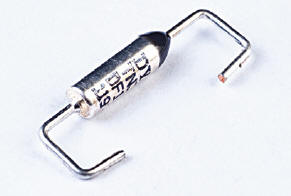
SP 22.17
CUT AND DOUBLE BEND |
|
 |
SP 22.21
CUT AND
BEND FOR VERTICAL MOUNT |
|
 |
SP 22.25
CUT, BEND
AND FORM |
|
 |
|
|
|
|
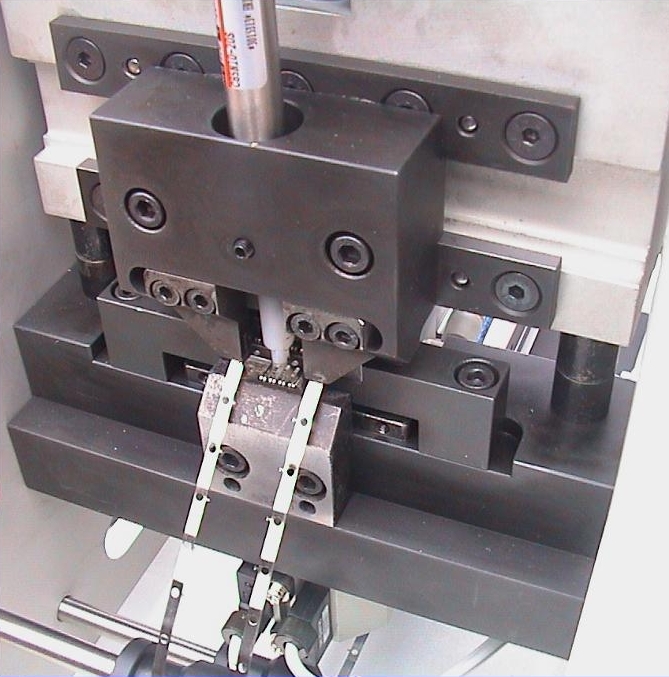
SP22.06
Pneumatic Step by Step Feeder to cut
metal
taped terminals.
|
|
 |
TP7
Automatic Cutting, Bending and Forming machine for
Axial taped components
If what you need is a
fully automatic self-standing machine (complete with
electronics and pneumatic systems) we can offer you
the TP7 machine.
The TP7 is a
special automatic machine designed to cut, bend and
form axial taped components to customer's
specifications.
The TP7 uses the mechanical design of the SP
machines with the addition of a PLC.
The tape feeds horizontally; each component is held
securely by holding the leads before they are cut
and during the forming operations to prevent any
possible damage to the components
|
The machine
productivity is 1,200 parts per hour.
The TP7 machine has been developed for many
applications.
Following are a few examples:
48.OL01
CUT AND 90°
BEND AND FLATTEN LEADS |
|
 |
48.OL02.01
CUT AND 90°
BEND WITH KINK INWARDS |
|
 |
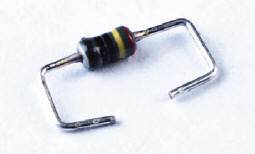
48.OL02.04
CUT AND DOUBLE "C" BEND |
|
 |
48.OL02.06
CUT, 90°
BEND AND“SEAGULL WINGS” FORM |
|
 |
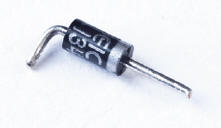
48.OL02.11
CUT AND ONE
SIDE 90° BEND |
|
 |
48.OL02.18
CUT AND
LOOP FORM |
|
 |
|
|

|
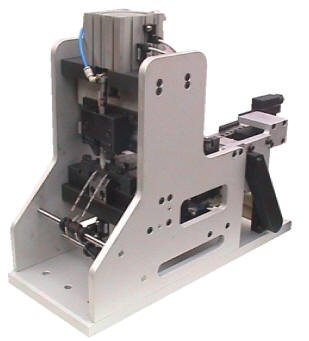
SP36
Loose Components Preforming Machines
The SP36 pneumatic machines are
designed for axial or radial loose components to be fed manually,
one at a time.
The machine’s die assembly is designed to quickly reach the forms
requested by the customer. It simplifies and speeds up
the performing process reducing
the number of steps to one single operation.
The
machine productivity is 700 parts per hour.
|
|
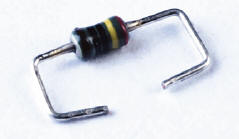
SP36.03
AXIAL LOOSE
COMPONENTS FORMING |
|
 |
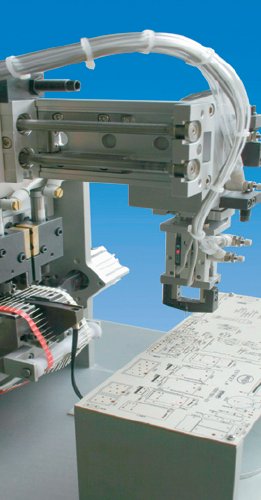
SP36.01
SPECIAL
COMPONENTS CUTTING AND FORMING |
|
 |
|
 |
SP2006
Automatic placement machine for
through hole components
Thanks to the
experience matured with the manufacturing
of hundreds special feeders for axial and radial
components (SP21, SP22, SP26, SP27)
Olamef designed this bench placement machine for
through hole components. It is an automatic machine
designed for cutting, bending (and forming if needed)
taped axial components that will subsequently
be inserted into a PCB by the same machine’s
manipulator.
The machine can be supplied in different versions:
- It can operate as a selfstanding station with manual load and
unload of the P.C.Boards
- It can be located in line. In this case the components
are inserted into the PCB which is directly positioned on a conveyor
belt or on a load/unload system to make the operation fully
automatic. |
|
The SP2006 machine can
be customized to customer's requirement.
Beside axial and radial parts, it can be designed to place also
TO-220 transistors, ICs, connectors and other components in tube.
The
machine productivity is 1,200 parts per hour.
|

|
 |
|
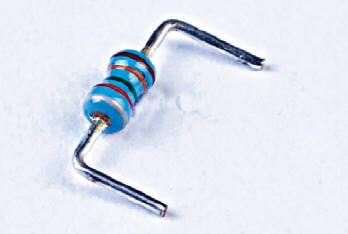
SP2006.01
AXIAL TAPED
COMPONENT CUTTING AND FORMING MACHINE |
|
 |
|
RADIAL COMPONENTS
 |
SP20
Manual pneumatic
customized machines for loose components
The SP20 line of pneumatic
machines are manually
operated equipment for individual
component feed and suitable to cut and form radial loose components.
Machine’s die assembly is designed to
per customer requirement and it simplifies and
speeds up the process by reducing the number
of steps in one single operation.
The productivity is
600 to 1000 parts per hour. |
The SP20 machine has been developed for many
applications.
Following are a few examples:
SP 20.05
|
|
 |
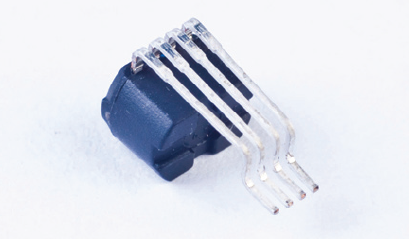
SP 20.07
|
|
 |
SP 20.08
|
|
 |
|
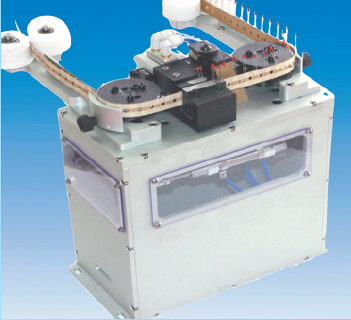 |
SP21
Pneumatic step by step feeder to cut and form radial
taped components
Pneumatic feeder
SP21 is designed to preform taped radial components.
Very fast system suitable to height adjustable cut or
cut and 90° bend.
This feeder can prepare components to
be picked up by a mechanical gripper.
It is suitable as working point in automatic
placement lines. |
This machine/feeder is supplied without electrical, electronic or pneumatic
systems and it is mechanically operating. Then it can be integrated to an
automatic placement system.
The productivity is 1,200
parts per hour approx.
The SP21 machine has been developed for many
applications.
Following are a few examples:
SP 21.03
STRAIGHT
CUT, ADJUSTABLE HEIGHT |
|
 |
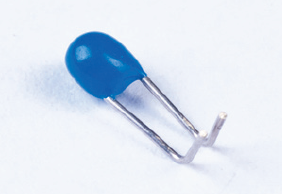
SP 21.09
CUT AND 90°
BEND |
|
 |
|
|
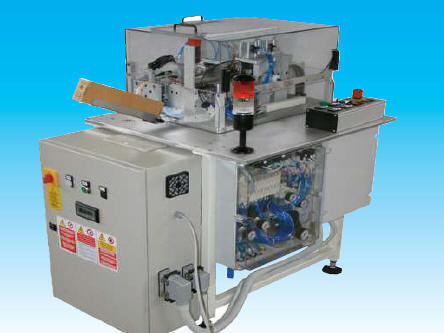
SP21/A
Automatic step by step feeder to cut and form radial
taped components
SP21/A is a
pneumatic machine suitable to operate radial taped components.
Very fast system suitable to height adjustable cut or cut and 90°
bend.
It automatically operates components
for their subsequent ejection into a part
bin. |
The productivity is 1,200
parts per hour approx.
The SP21/A machine has been developed for many
applications.
Following are a few examples:
SP 21/A 03
STRAIGHT
CUT, ADJUSTABLE HEIGHT |
|
|
SP 21/A 09
CUT AND 90°
BEND |
|
|
|
|

 |
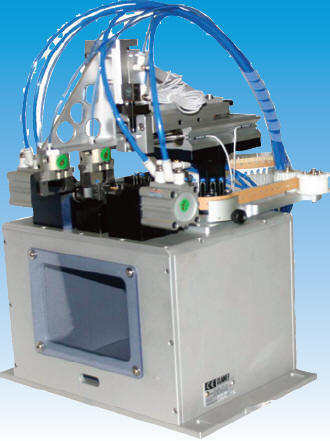
SP26
Automatic pneumatic cutting and forming machine for
taped Hall Transistors.
SP26 is an automatic,
pneumatic cut and form machine for taped Hall transistors, with tape feed and centering
positioning.
This machine
was designed to operate
Hall Transistors which are
very delicate and weak
and need perfect positioning
on the forming die.
The model SP26 is equipped
with a pneumatic centering
gripper that locks the
body of the component.
After cutting the component
from the tape, the
gripper moves it to the
subsequent step (i.e. 90°
bending, SMD form or
other forms) and finally
places it into a bin or into
a set point where a mechanical
hand (robot) can
pick it up.
The productivity is 1,200
parts per hour approx. |
The SP26 machine has been developed for many
applications.
Following are a few examples:
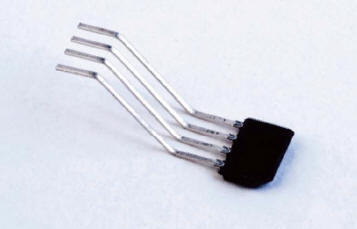
SP26.02
HALL TRANSISTORS CUT & FORM |
|
 |
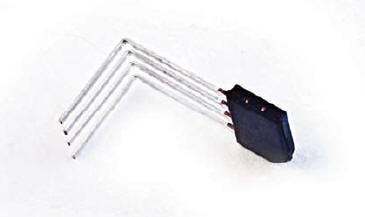
SP26.05
HALL
TRANSISTORS CUT & 90°
BEND |
|
 |
SP26.06
HALL
TRANSISTORS CUT & "S" FORM |
|
 |
SP26.09
HALL
TRANSISTORS CUT & "S" FORM |
|
 |
SP27
Pneumatic step by step machine for taped
radial components equipped with multiple stations
SP27 pneumatic feeder is
designed to operate taped
radial components.
As this model has more
stations, it is
able to operate different
and more complex forms
depending on the customer’s
request.
It is supplied
mechanically operating,
complete with cylinders; without
electrical or pneumatic
systems and PLC.
This feeder
can prepare components to
be picked up by a mechanical
gripper. It is suitable as working station in automatic
placement lines.
The productivity is 700
parts per hour approx.
The SP27 machine has been developed for many
applications.
Following are a few examples:
SP27.01
CUT & FORM WITH KINKS |
|
 |
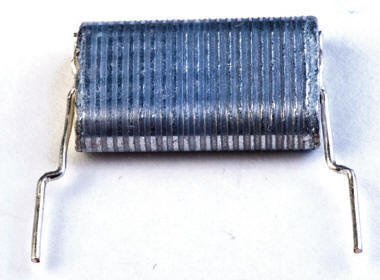
SP27.02
CUT AND
OPEN PITCH |
|
 |
SP27.04
CUT AND
90° OUTWARD
BEND |
|
 |
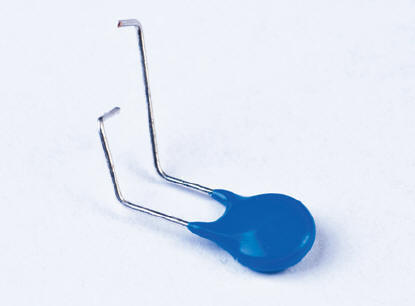
SP27.06
90° BEND
AND INWARD BEND |
|
 |
|
|
SP27/A
AUTOMATIC step by step machine for taped
radial components equipped with multiple stations
SP27/A is an automatic
machine designed to
operate taped radial
components.
Having more stations, it’s able to
operate different and
more complex forms
depending on the
customer’s request.
Automatically
operated components
are ejected into a
dedicated part bin.
The productivity is 700
parts per hour approx.
The SP27/A machine has been developed for many
applications.
Following are a few examples:
SP27/A 01
CUT & FORM WITH KINKS |
|
|
SP27/A 02
CUT AND
OPEN PITCH |
|
|
SP27/A 04
CUT AND
90° OUTWARD
BEND |
|
|
SP27/A 06
90° BEND
AND INWARD BEND |
|
|
|
 |
SP34
Manual pneumatic
customized machines for loose components
SP34.01 is an automatic machine
designed to cut, preform and place
filters.
This machine is an example of a manipulator
that OLAMEF designed to take
radial components from the tape,
operate the leads through several cutting and forming stations and then place component
where the customer needs it.
The productivity is
approx. 1000 parts per hour.
|
SP34.01
CUT, FORM AND FILTER PLACEMENT |
|
 |
Click here to see a video of this machine.
|
|
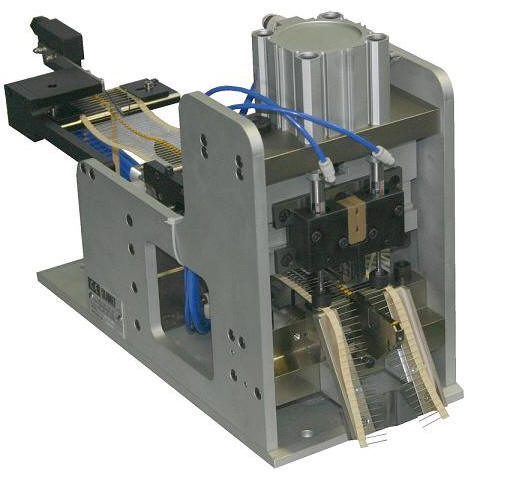
SP36
Loose Components Preforming Machines
The SP36 pneumatic machines are
designed for axial or radial loose components to be fed manually,
one at a time.
The machine’s die assembly is designed to quickly reach the forms
requested by the customer. It simplifies and speeds up
the performing process reducing
the number of steps to one single operation.
The
machine productivity is 700 parts per hour.
|
SP36.03
AXIAL LOOSE
COMPONENTS FORMING |
|
|
SP36.01
SPECIAL
COMPONENTS CUTTING AND FORMING |
|
|
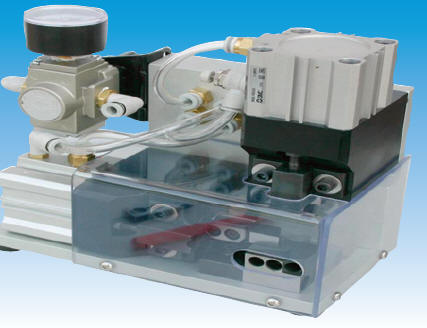 |
SP38
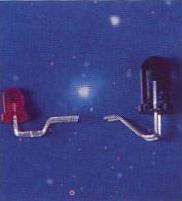
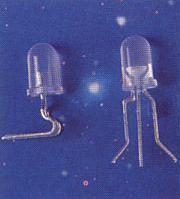
Manual machine for LOOSE L.E.D. preforming
SP38 is a pneumatic
machine, controlled by
a foot pedal.
Components
to be operated
shall be manually fed
and this tool cuts, bends
and forms loose L.E.D.s
as requested by the customer
The
machine productivity is 700 parts per hour.
|
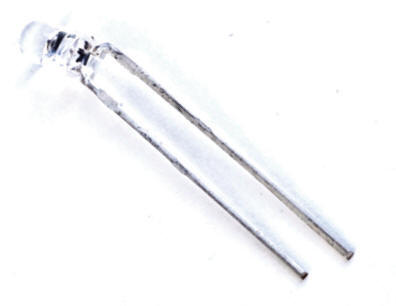
SP38.01
LOOSE LED
CUT AND BEND TO THE LEFT |
|
 |
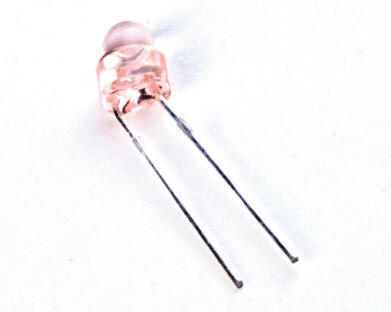
SP38.02
LOOSE LED
CUT AND BEND TO THE RIGHT |
|
 |
|
| |
|
|
Copyright ©
2001-2024
OLAMEF USA, INC.
Last Update:
06/03/2024
WEBMASTER
|
|
|


 Specs SP36 PDF